Keeping Australian pools clear, safe, and compliant isn’t just about adding chlorine and hoping for the best. With hotter summers, higher bather loads, and increasingly variable source water quality, water balance has become one of the most critical aspects of pool care. And at the centre of good water balance are three pillars: alkalinity, acidity, and aluminium levels.
For pool operators, service technicians, and councils, the move toward more data-driven pool management is accelerating. Whether you maintain a commercial aquatic facility or a backyard pool, accurate testing using a pool water test kit Australia, a swimming pool water testing kit Australia, or specialised pool water testing equipment Australia is no longer optional—it’s essential.
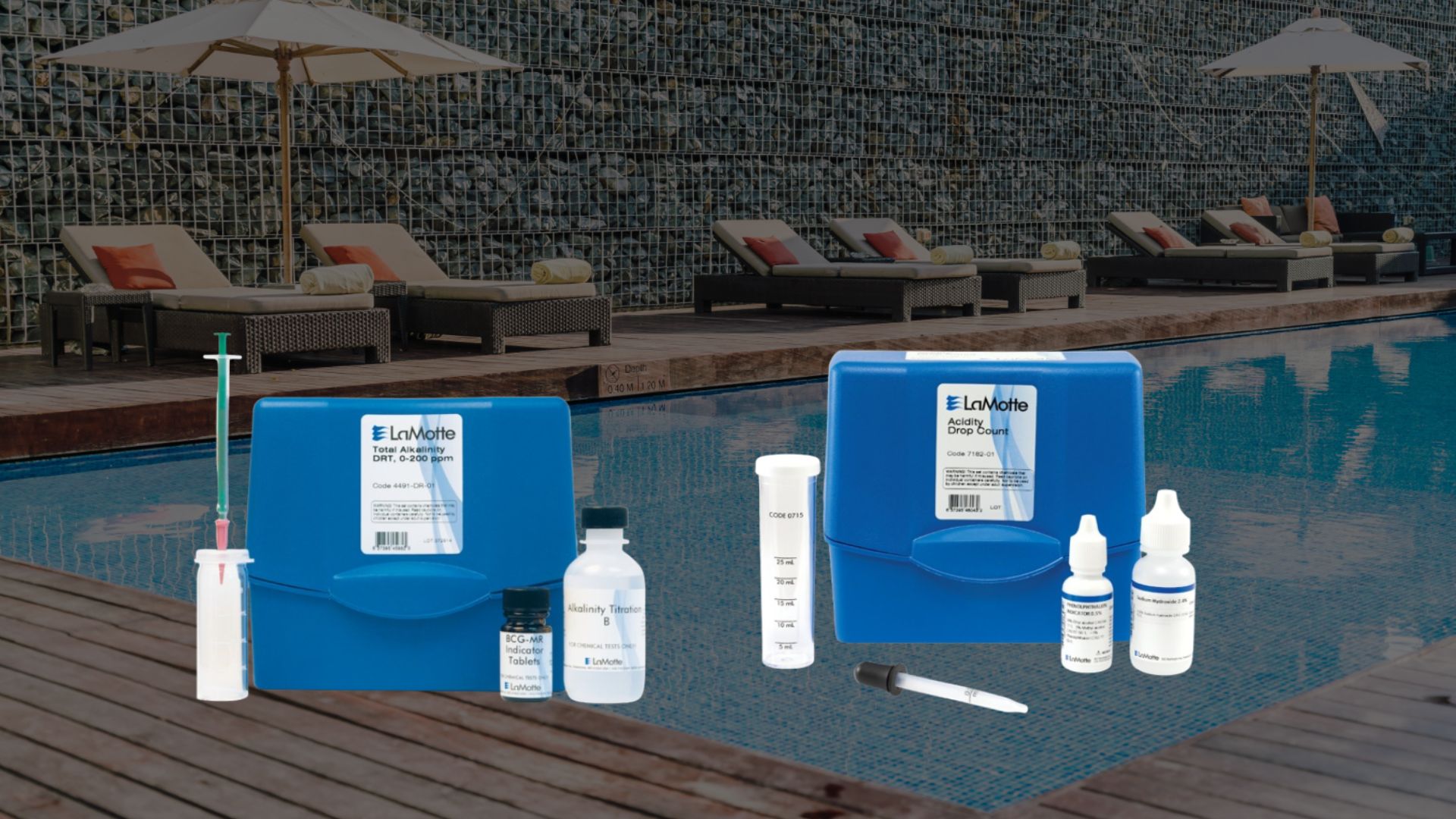
This is where LaMotte Pacific’s industry-trusted field kits play a crucial role. The Alkalinity Test Kit, Acidity Test Kit, and Aluminium Test Kit give users laboratory-quality accuracy in a portable format, helping ensure water balance, regulatory compliance, and safer swimming environments.
Why Water Balance in Australian Pools Is Getting More Complex
Australia’s climate directly impacts pool chemistry. According to data from the Bureau of Meteorology, Australian summers have warmed by more than 1.5°C since the 1970s, leading to increased evaporation, higher pH drift, and heavier chemical consumption. Combined with the rising use of saltwater chlorination, operators now face:
- Faster pH rise due to aeration and salt system electrolysis
- Higher total dissolved solids (TDS)
- Greater demand for alkalinity stabilisation
- Increased risk of metal leaching, including aluminium
This makes the quality of your swimming pool water testing Australia process more important than ever. Weekly digital checks are not enough—foundational water parameters like alkalinity and acidity require precise titration-based testing.
Total Alkalinity: The Backbone of Stable Pool Chemistry
Why it matters
Total alkalinity acts as the buffering system that prevents rapid swings in pH. Without stable alkalinity, chlorine effectiveness crashes, corrosion risk increases, and pool surfaces can scale or etch.
Industry bodies such as the NSW Health Public Swimming Pool and Spa Pool Advisory Document recommend keeping alkalinity between 80–120 ppm for optimal balance.
Impact of incorrect alkalinity
| Alkalinity Level |
Impact on Pool |
| Low (<80 ppm) |
Rapid pH drift, acidic water, corrosion of metal components, and liner wrinkling |
| High (>150 ppm) |
pH lock, cloudy water, scale formation, decreased chlorine effectiveness |
LaMotte Pacific’s Alkalinity Test Kit
The Alkalinity Test Kit provides simple titration-based quantification using drop-count chemistry, ensuring accurate readings even in challenging water conditions.
Key benefits:
- High precision with clear colour transitions
- Suitable for both commercial and domestic pools
- Portable for field technicians
- Provides results aligned with Australian Standards for water balance monitoring
It’s an ideal component of a pool water analyzer Australia workflow and integrates seamlessly with digital pool management systems when logged regularly.
Acidity Testing: Crucial for Corrosion Control and Water Clarity
Why is acidity testing essential
Acidity influences:
- pH stability
- Corrosion rate of metal fittings, pumps, and heat exchangers
- Longevity of pool surfaces and coatings
- Comfort for swimmers (eye and skin irritation)
Even small shifts toward acidic water can cause significant damage. For commercial facilities, maintaining correct acidity is part of compliance with state and local pool operation guidelines.
LaMotte Pacific’s Acidity Test Kit
Designed for robust field use, this kit helps measure the water’s acid content precisely through titration.
Benefits include:
- Rapid results that help operators make immediate dosing decisions
- Reliable drop reagents for consistent testing
- Suitable for manual logs and digital pool monitoring workflows
- Supports corrective decision-making for carbonate imbalance, acid demand, and pH correction
This kit is a valuable piece of pool water testing equipment Australia operators and maintenance professionals rely on.
Why Aluminium Monitoring Is Becoming More Important in Australia
Aluminium is often overlooked in traditional pool water analysis, yet it is increasingly relevant due to:
- Widespread use of aluminium-based flocculants
- Higher metal leaching from source water
- More commercial aquatic centres are relying on coagulation for turbidity control
Risks of elevated aluminium
- Eye and skin irritation
- Cloudy water
- Residual floc settling on pool surfaces
- Problems with automated chemical dosing systems
- Potential compliance issues for commercial facilities
Standards and guidelines such as those referenced in Australian Drinking Water Guidelines set limits around 0.2 mg/L aluminium, giving pool operators a benchmark for safe and comfortable water quality.
LaMotte Pacific’s Aluminium Test Kit
This kit provides fast, sensitive measurement of aluminium levels using colourimetric methods.
Advantages:
- Detects even low-level aluminium residues
- Useful for facilities using alum or PAC for coagulation
- Helps prevent over-flocculation and equipment scaling
- Essential for councils and aquatic centres managing high turbidity loads
When incorporated into a routine swimming pool water testing kit Australia maintenance program, it significantly improves water clarity and safety.
How Regular Testing Improves Efficiency and Cuts Chemical Costs
A data-driven testing schedule—supported by LaMotte Pacific kits—helps operators:
Reduce chemical use
Correct alkalinity and acidity stabilise pH, improving chlorine efficiency by up to 40%, based on industry studies.
Extend equipment life
Balanced water minimises corrosion and scaling, reducing pump and heater repairs.
Improve swimmer comfort
Better water balance means fewer complaints about irritation, odour, or cloudy water.
Enhance compliance
Accurate records support alignment with state public health codes for aquatic facilities.
When used alongside a digital pool water analyzer Australia, LaMotte’s kits provide the manual confirmation required for high-consequence decisions.
Building a Reliable Testing Routine
To achieve consistently clear and safe water, operators should test:
| Parameter |
Frequency |
| Alkalinity |
Weekly (domestic) / Twice weekly (commercial) |
| Acidity |
Weekly or after major chemical adjustments |
| Aluminium |
Monthly or when using flocculants |
All tests should be logged manually or digitally to build long-term water chemistry trends.
Smarter Water Care Starts With Accurate Testing
As Australia’s pool environment becomes more demanding, reliable testing tools are essential. LaMotte Pacific’s Alkalinity, Acidity, and Aluminium Test Kits deliver the accuracy, durability, and convenience that pool professionals require to maintain high-quality water.
For anyone using a pool water test kit Australia, swimming pool water testing kit Australia, or advanced pool water testing equipment Australia, these kits form the backbone of a dependable water-balance program—ensuring safer, clearer, and more efficient pool operation year-round.
For Further Enquiry Contact: sales@lamottepacific.com